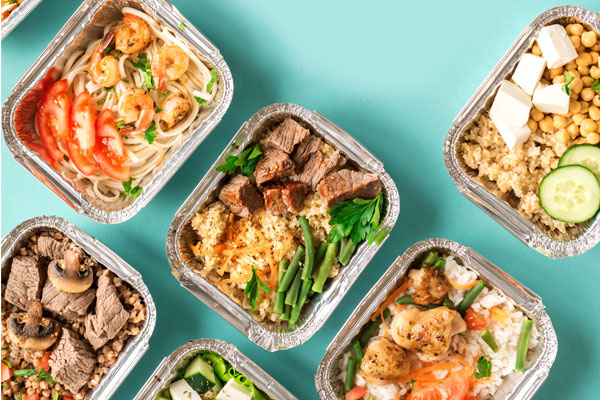
This guideline will help you get started and give you the confidence to make better nutritional choices for improved health.
We know how difficult it can be to start your nutrition journey considering there’s a minefield of misinformation out there which makes navigating this really difficult. The vast majority of people unknowingly have high levels of stress hormones, unbalanced blood sugar, and high levels of inflammation, a lot of which traces back to how we eat.
Benefits include:
- Knowing what foods should make up your plate and the portions.
- Learning the right quantity of food at each meal.
- Understanding why each food category is important and why they’re being recommended.
- Example meals to guide your food choices.
How to choose foods to meet your macro and portion goals
Learn to make better choices without giving up the foods you love.
It’s common for people to want to categorise foods as “good” or “bad.” This type of approach can make the “right” choices seem clearer. Unfortunately, it also leads to a feeling of deprivation, frequently followed by guilt (once you “cheat”). Because who can be perfect all the time?
We believe there’s a more effective and more enjoyable way. Instead of “good” and “bad”, we find it helpful to think of foods on a continuum from “Eat less” to “Eat some” to “Eat more.” This better allows for sustainable long-term change and progress.
Think about it: with this approach, you can occasionally indulge in some of those “Eat less” foods without guilt, knowing that — in reasonable amounts — they’re not going to set you back or ruin the progress you’ve worked so hard to make.
Your goal is simple: aim to progress up the continuum, choosing more of the “Eat more” and “Eat some” options and fewer of the “Eat less” options. Make better choices strategically and systematically, over time.
Here’s what to do:
- Look through the food list and refer back to the recipe ideas.
- Pick options from each category that you like or want to try.
- Make a grocery list from those options.
- Plan meals based on your macros or portions, knowing you’ll have all you need.
Protein
Prioritise fresh, lean, minimally processed sources of protein. Think wild-caught fish, pasture-raised eggs, free-range chicken, grass-fed lean meat, and plant-based options like lentils and tempeh.
Carbohydrates
Focus on whole, minimally processed sources of carbohydrates that pack lots of nutrition and fibre — and include a mix of starches and colourful fruits. Oats, rice, potatoes, beans, berries, and seasonal fruit.
Fats
Aim for a mix of whole-food fats (nuts and seeds), blended whole foods (nut butters), and pressed oils (extra virgin olive, avocado). Keep the fried-in-seed-oil category in the “Eat less” column.
Vegetables
When eating vegetables (and fruits), try to “eat the rainbow.” Different colours imply different nutrients and health benefits. Mix leafy greens, cruciferous, root, and allium vegetables across the week.
Macro Nutrient Ratios
You don’t need to count calories or macros to get the right portions for your goals. Instead, use your hand to measure. This approach dramatically simplifies eating and tracking, and it’s nearly as accurate as the calorie / macro approach.
The general idea:
- A portion of protein = 1 palm
- A portion of vegetables = 1 fist
- A portion of carbs = 1 cupped hand
- A portion of fats = 1 thumb
This handy portion-measuring system works well for many reasons:
- Hands are portable. They come with you to work lunches, restaurants, social gatherings, and even Grandma’s house.
- Hands are a consistent size. This provides a consistent portion reference.
- Hands are proportional to the individual. Bigger people generally need more food and tend to have bigger hands, so they get larger portions. Smaller people generally need less food and tend to have smaller hands, so they get smaller portions.
Main Aspects to Keep in Mind
1. Food Quality
Not all food is created equal. Different foods affect the body in different ways. The more processed the food, the more stress it gives the body, and the more your blood sugar goes out of balance. Being hangry or constantly reaching for coffee are common signs of this. Eating more unprocessed whole foods will give your body more nutrients, decrease stress hormones, and balance out your blood sugar — helping your body perform at its best.
2. Portion Sizes
The majority of people over- or under-eat on a daily basis without even realising it. Being conscious of what you’re eating and in what quantities is crucial in your health and wellness journey. Use the hand-portion system above as a starting reference and adjust to how you look, feel, and perform.
3. Food Combinations
The way we combine food categories has a drastic effect on how our body looks and feels. Incorrect amounts can lead to more stress, more inflammation, and unbalanced blood sugar levels — which can show up as aching muscles and joints, lack of focus, and energy crashes. When the correct ratios of food categories are eaten together they actually slow down the absorption of nutrients, leading to a slower release of energy. That keeps blood sugar stable and stress hormones in check.
4. Meal Timing
Upon waking, your blood sugar and stress hormones start to rise. Eating breakfast followed by a meal every 3–4 hours helps blood sugar remain stable and stops your stress hormones from being too elevated. The cascading effect of this carries through into energy, mood, sleep, and recovery later in the day.
Need help putting this into practice for your goals? Book a free consult and we’ll map it to where you are right now.
