

I used to be a vegan. I lost inches as well as my mind.
Growing into my adult figure, I dabbled in diets as most 18 year olds tended to do. My female friends and I would often restrict foods in order to stay slim- canned tuna and rice cakes being a staple. Yeah, in hindsight that sounds as appetising as a cardboard sandwich, but when that’s all you feel you can eat, it’s nectar from the food gods.
Through the process of even more restriction and elimination, I somehow stumbled across a diet based around eating non-animal products. Goodbye meat, hello skinny.
 They Called It ‘Vegetarianism’
I started introducing the idea of vegetarianism into my life at about 19, but my tuna and rice cake addiction was hard to shake, so it took some time to completely remove the fish. I never associated how I felt with what I ate; I was more preoccupied with my waistline and its size, so this ‘veggo’ thing seemed to be working.
In the typical style of my addictive personality, I needed to go the extra mile. I needed to stand out, distance myself from the norm and ultimately become what I thought to be the healthiest version of myself… so the veganism began. In terms of diets, I was definitely down the back of the bus with the cool kids.
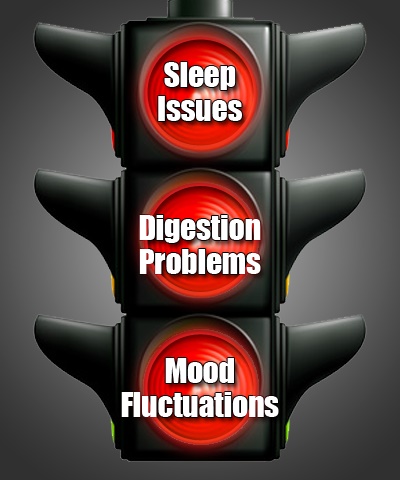
At first it was, and I was, ok. Nothing tastes as good as skinny feels right? However, after a few months, areas of my health started to wane. Small things at first, things that my commitment to the lifestyle allowed me to ignore. But no matter how many hints dropped by friends and family, I was fully committed to my plant-based ways. It wasn’t until I hit such a point of frustration, especially in regard to my sleep and body composition that I started looking at other avenues. The three main areas that impacted me the most were:
- Sleep issues
- Digestion problems (the sexy side of veganism)
- Mood fluctuations
Thankfully I changed my ‘diet” and moved on to healthier alternatives.
As an ‘ex-planter’, I hope to expand your ideas around ‘health’ and plant-based diets. We seek what we want to hear; throughout my journey of veganism I fed myself (not that I was feeding myself a lot of food) a lot of non-science based information around plant-based nutrition and health. Mostly because I wanted so badly to believe in it. This article is not going to discuss the ethics surrounding this topic, nor the environmental impact. Instead we’re going to look at the facts regarding health and what truly should be sought after for achieving optimal health.
Protein: Our Most Powerful Weapon
‘Why is it so important to eat enough protein? Because your brain senses how much of it your body requires and prompts you to keep eating until fulfilled. This is why a diet lacking protein leads to obesity – your brain will always be telling you to eat more.’ – Arthur De Vany, PhD.
Of all the macronutrients, protein has been the most studied. From its effects on gut health, to muscle mass, brain function and disease, protein more often than not is superior to its carbohydrate and fat counterparts.
Let’s start with its effect on the immune system. We have three main immune barriers in our body: the gut, the lungs and the brain. Each of these organs has the job of stopping pathogens, infections and toxins into our blood stream so that our bodies avoid states of disease. It’s a thankless job, and sometimes we do our best to make that job harder.
When any of these barriers become permeated (imagine small holes opening up) we are put in a position where our system is becoming exposed to foreign pathogens. This then has a domino affect on our immune system, as it now has to work harder due to the barrier it trusted, becoming broken.
Gardening Your Gut
Protein, in particular amino acids glutamine and glycine, help to keep the integrity of the gut flora (good bacteria), aid in cellular and systemic detoxification and maintain optimal acid-base balance in the body. Foods which are richest in glutamine and glycine are offal, grass-fed red meat and seafood.
On average, the first 60 grams of our daily intake of protein go directly to our immune system. It allows for our cells to repair, and essential amino acids, which are crucial for correcting gut permeability, to foster our internal environment into one which thrives in the face of disease, instead of dying in it.
Protein rich foods, such as beef, fish and organ meats, provide our bodies with essential nutrients such as Vitamin D, E and A. All of these are fat-soluble vitamins, which allow for fat-cell breakdown, neural repair and regeneration and help to provide strength through your central nervous system. Diets high in omega-3 fatty acids, contained in foods such as salmon, can stimulate molecular systems that serve neuronal function and plasticity in the brain and spinal cord.1 Yup, this is all good stuff.
Now, I know what you’re thinking- nuts and seeds can provide the body with omega-3 fatty acids, right? On a surface level this is true, however plant-based omega-3 are first something called ALA (alpha linolenic acid) which our bodies need to then convert to DHA/EPA in order to become the essential omega-3 nutrient. The conversion of ALA to DHA/EPA is taxing on our system, and more often than not fails to complete itself. One study found a 0-9% conversion efficiency in human studies, and also held DHA superior to ALA in regards to its health benefits.2
Results Based Eating
One other controversial topic is the impact that high-protein diets have on our muscle growth and fat loss. Diets such as Atkins, Dukin and now the popular Paleo are all pioneers in the concept of ketosis (essentially using fat-stores for energy rather than glucose). It comes as no surprise then, that protein, in particular the amino acids it provides, are what have the biggest effect on our muscle growth.
The DRI (Dietary Reference Intake) is 0.8 grams of protein per kilogram of body weight, or 0.36 grams per pound. Keep in mind; medical guidelines regarding nutrition are based from not contracting disease. This amounts to:
46 grams per day for the average sedentary woman Although this meagre amount may be enough to prevent downright deficiency, studies show that it is far from sufficient to ensure optimal health and body composition. In the bid to build muscle, the body must be synthesizing more muscle protein than it’s breaking down. You must be in a positive protein balance in the body in order to relish in the results you are busting your ass for in the gym. Eat more protein, build more muscle; it’s well documented that a higher protein diet allows for greater muscle growth as well as strength.3 Body composition also includes the ability to lose fat. With muscle growth assisting thermogenesis, protein has a profound effect on satiety levels (feeling full). Unlike its friends fat and carbohydrate, protein allows us to feel fuller for longer due to its influence on blood sugar production.4 Carbohydrates, in excess, lead to spikes in blood sugar and elevated triglyceride levels, leaving the body to continuously store calories as fat cells. Avoid snacking on fruits and carbs! Protein allows you to feel fuller for longer due to it’s influence on blood sugar production – this also helps with fat loss. To put this into context, lentils are the highest source of plant-based legume protein. One cup of cooked lentils (around 200 grams worth) offers 18g of protein; however also come with a whopping 40g of carbohydrate. If you compare this to its animal counterpart, steak, a serving around the same weight offers 66g of protein and 0g of carbohydrates. This is just one of many examples between plant-based protein sources and animal. Brain Fuel Protein provides the body with nine essential amino acids. These amino acids play many roles once digested in the system, in particular production of our neurotransmitters. Neurotransmitters are the conversation between our neurons, allowing our brain to work in equilibrium. Without sufficient intake levels of the essential amino acids needed to then produce things such as serotonin, dopamine and acetyl-choline, cognitive decline is inevitable. Take for example tryptophan. This amino acid is richest in turkey, and converts to 5HTP, and then into serotonin. Serotonin then continues on to convert to melatonin, which allows our body to sleep deeply. Current medical practice would lead us to believe that if you are melatonin or serotonin deficient, you should simply supplement with these two neurotransmitters, but this is a band-aid effect. It treats the symptom, not the cause. The cause being nutritional deficiency. The Proof is in the Protein As we grow and develop ourselves, boundaries and belief systems can be pushed. For me, a vegan diet ultimately forced me to restrict, in a vain (and well, vain) effort to stand out from the crowd. Ultimately this minimised my exposure to foods that would help nourish me. The consequence of which, I became very unwell. I lost my hair, encouraged an eating disorder and suffered deep depression and anxiety. When seeking the quest for health, sometimes we can become lost in the propaganda and ignore the facts. The truth is, plant based diets, in terms of pure health, are not all they’re cracked up to be. This is only a fraction of information showing the issues with plant-based diets. I’m not completely denouncing the concept, merely highlighting the bigger picture. Over the following ‘plant-based blogs’ we’ll uncover further specifics around what good nutrition should look like. As always, we’re here to help. If you have any questions about plant-based diets, or optimising your current diet, just talk to us and we can arrange a consult to help you get you back on track being the optimal you. Your external world is only a reflection of your internal world. To know what’s happening with your body, there’s no truer measure than blood-work. Make an appointment today by clicking here – Blood Analysis References. 1 https://www.ncbi.nlm.nih.gov/pmc/articles/PMC3258094/ 2 https://www.dhaomega3.org/Overview/Differentiation-of-ALA-plant-sources-from-DHA-+-EPA-marine-sources-as-Dietary-Omega-3-Fatty-Acids-for-Human-Health 3 https://jissn.biomedcentral.com/articles/10.1186/1550-2783-9-42 4 https://www.ncbi.nlm.nih.gov/pubmed/8862477
About the Author: Holly Sinclair